Post-Harvest Financial Planning: What to Fund This Autumn
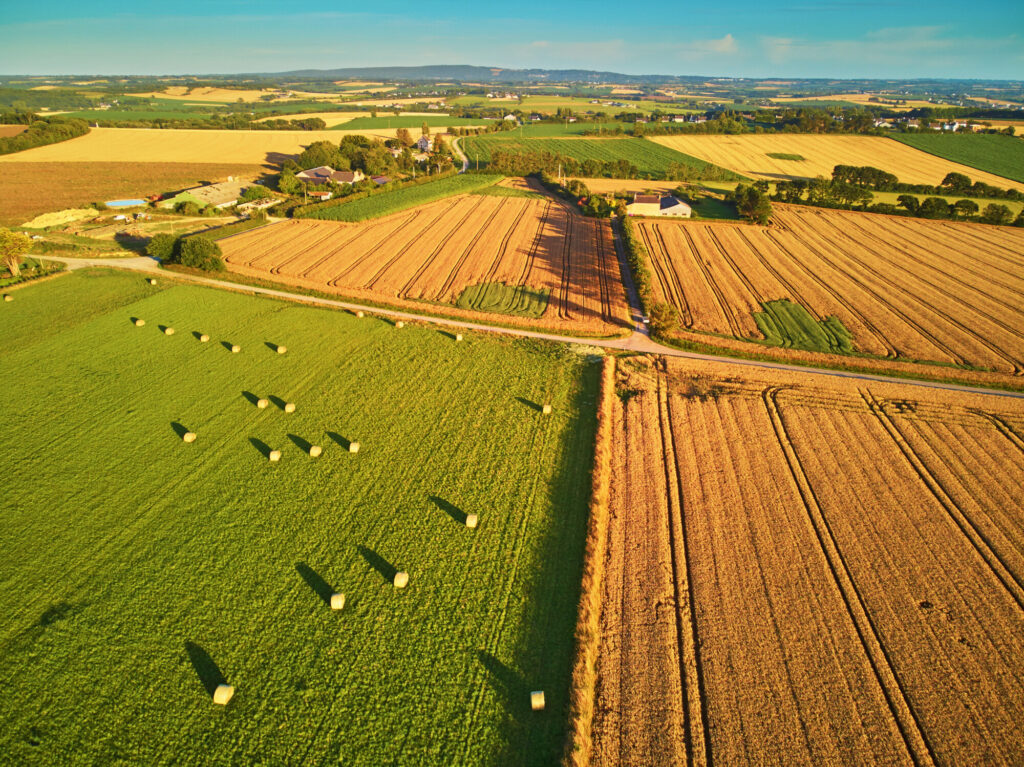
Autumn marks a pivotal moment in the farming calendar. The harvest is in, but as all farmers know, the financial pressure doesn’t ease; it shifts. Crop sales may take time to clear, overheads remain high, and the costs of winter preparation start stacking up quickly. For many farm businesses across the UK, this is the season where sound financial planning makes the difference between a resilient operation and a strained one.
Post-harvest planning isn’t just about reviewing what’s been spent. It’s about making clear, deliberate decisions on what to fund, what to defer, and how to protect cash-flow through the quieter winter months. Getting this right sets the foundation for a strong start to the next planting cycle.
Why post-harvest planning is crucial for farming businesses
Farms operate on seasonal income, but costs arrive year-round. Autumn brings a particular challenge: revenue from crop sales is often delayed while expenditure on winter preparation, equipment servicing, and input purchasing accelerates.
Without a structured approach to post-harvest financial planning, it’s easy to find cash-flow stretched at exactly the wrong moment. Effective planning helps farm businesses:
• Identify and avoid cash-flow gaps before they become critical and affect your farm finances
• Prioritise investment decisions based on operational impact and the value they bring to your business
• Prepare fully for winter and position the business for early spring activity, so you’re ready for the Spring
This is where working with a specialist lender such as Rural Asset Finance, which understands the seasonal nature of farming, becomes genuinely valuable.
Key post-harvest costs to consider
Understanding where money needs to go in autumn is the starting point for any meaningful plan. It’s a good idea to consider:
Machinery and equipment upgrades
Think about your vehicles and machines – tractors, combines, trailers, drills, balers – and your technology: What’s working, what needs maintaining, and what needs replacing? Now’s an ideal time to take stock and see where you might need to invest in the coming year.
Repairs and maintenance
Autumn is an excellent time to get those vehicles and machines serviced for the coming year. It’s also worth taking the time to look around your farm to spot any buildings in need of urgent maintenance. Addressing these issues now can prevent costly problems further down the line.
Feed, fertiliser and seeds
These can often be cheaper in the autumn, before increased demand over winter pushes the prices up. Being organised and shopping around could save you a lot of money. Buying in advance also means you can make sure you have everything you need for the months ahead, helping you avoid last-minute purchases when prices may be higher.
Energy and storage costs
Grain storage, silo maintenance, heating systems, and fuel costs all increase as temperatures drop. These expenses are difficult to reduce but can be managed more effectively with the right financing structure in place.
Diversification and Expansion Projects
Many farm businesses are actively exploring income diversification, from renewable energy installations to farm shops, glamping, and agro-tourism. Autumn can be an effective time to initiate or progress these projects, ahead of the spring and summer seasons when return on investment is strongest.
How Rural Asset Finance supports post-harvest planning
Rural Asset Finance provides direct lending solutions tailored specifically to farm businesses and rural enterprises. Rather than applying a generic commercial finance model, the team draws on over 100 years of combined agricultural experience to understand how farms actually work; seasonally, operationally, and financially.
There are several key finance options that are particularly relevant at this time of year:
- Hire Purchase: Spread the cost of new or used machinery and equipment over a fixed term, preserving post-harvest cash while still making essential upgrades. Fixed repayments mean budgeting is straightforward.
- Agricultural Equipment Leasing: Leasing provides access to equipment for a defined period without the full capital outlay of ownership. This can be particularly useful for winter-specific tasks or early spring preparation where short-term access is sufficient.
- Asset Refinancing: If cash-flow is tight following harvest, refinancing existing assets can unlock working capital to cover operational costs, urgent repairs, or input purchasing. This approach allows the business to act without waiting for crop sale revenue to clear.
Tailored Repayment Structures: Rural Asset Finance advisers work with each farm business individually to align repayment schedules with seasonal income patterns. For businesses with delayed or variable income, this can significantly reduce financial pressure across the quieter months.
Creating a post-harvest budget that works
A practical post-harvest budget doesn’t need to be complicated, but it does need to be realistic. Here’s a straightforward approach:
- List all anticipated costs for winter and early spring, including machinery, maintenance, inputs, and storage
- Separate capital costs from operational costs: Equipment and significant repairs are well-suited to finance; day-to-day running costs typically are not
- Identify which costs can be spread via finance to protect cash-flow without deferring essential work
- Use the Rural Asset Finance calculator to model repayment options against your seasonal income cycle
- Prioritise investments by operational impact: Focus first on what directly affects the efficiency and resilience of the business
Taking this structured approach makes it far easier to have clear conversations with lenders and arrive at a finance arrangement that genuinely fits your situation.
Plan ahead and protect your business this Autumn

Post-harvest is not the time to put financial planning on hold. The decisions made in autumn have a direct bearing on how well a farm
business navigates winter and enters the next season. Acting early, with clarity on costs and a clear plan for funding them, puts the business in a far stronger
position.
Rural Asset Finance specialises in supporting farm businesses through exactly these decisions. From hire purchase and leasing to asset refinancing, the team offers direct lending with repayment structures built around the realities of agricultural income.
Explore hire purchase, leasing, and asset refinancing for post-harvest planning.
Frequently asked questions: Autumn financial planning for farms
Can I finance both machinery and operational costs at the same time?
Yes. Rural Asset Finance can structure arrangements that address both capital investment, such as equipment hire purchase, and operational needs through secured business loans or asset refinancing. Each solution is tailored to the individual farm business.
How flexible are seasonal repayment schedules?
Rural Asset Finance works with each customer to align repayment terms with their income cycle. For farm businesses with delayed crop sale revenue or seasonal income patterns, repayment structures can be arranged accordingly.
Can Rural Asset Finance help if crop sales are delayed or markets are volatile?
Yes. Asset refinancing in particular is designed to release capital from existing assets when cash-flow is under pressure. This means businesses do not have to wait for crop income to clear before addressing urgent costs.
What costs should I prioritise for winter preparation?
Machinery repairs, feed and input purchasing, and energy and storage costs are typically the most time-sensitive. Equipment upgrades that affect operational efficiency are also worth addressing before the ground hardens and activity increases again in spring.
For further information, visit the Rural Asset Finance FAQs page.