Top 5 tips for a successful diversification
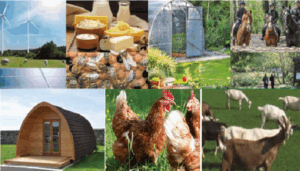
So you want to diversify – but how? Where can you find that extra revenue stream and, crucially, how do you go about making it work?
“Diversification is increasingly vital for Britain’s farmers,” says Ben Wood, head of sales at specialist agri-lender Rural Asset Finance. “It used to be handy extra income – now it’s often critical to shore up a farm’s future into the next generations.”
So whether it’s a farm shop, food processing facilities, fishing lake, holiday lets, renewable energy or anything else – how do you ensure your diversification achieves the income you need? Here are Ben’s top tips:
1 Use your farm and its location to its advantage
“Choose something that suits where you are,” says Ben. “For instance, shepherd’s huts will be much more lucrative in a scenic area that already has a high tourist footfall.
“A farm shop is great if you know you’ll get customers, but not if you’re really off the beaten track and there’s absolutely no passing trade. Think about what will work where you are.”
2 Be flexible with your plans
If your first choice diversification will obviously not work, adapt your plans. “If the farmer next door rents out top-of-the-range luxury accommodation really cheaply, you’ll struggle to match that,” says Ben. “So rather than trying to compete, think about a business that complements your neighbour’s – such as a farm shop that offers them breakfast, or an ice-cream parlour.”
3 Check planning rules and other restrictions
Most major diversifications require some form of local authority approval – so do your homework to ensure you know what permission you need.
For instance, you need full planning permission for new builds – but often not for converting existing agricultural buildings. Permitted Development Rights often negate the need for full permission – but be mindful you still need “prior” approval from local councils around potential noise and traffic issues.
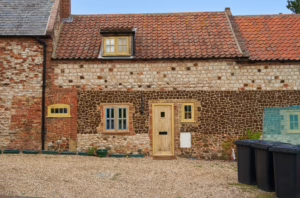
A modern barn conversion
“It’s best to contact the planning department early so you can understand the permissions you’ll need,” says Ben. “It’s a good idea to sound out your neighbours, too!”
4 Work out a solid business plan
An effective, well-thought-out business plan is essential to secure funding from a lender. “Ultimately lenders need to know they’ll get their money back!” says Ben. “So it’s a very good idea to draw up a good business plan. Getting a professional to plan your forecasts and budgets can mean the difference between making and breaking a business.”
5 Find the right lender
“The best lenders are flexible, build personal relationships, get to know you properly, take a genuine interest in what you’re doing and understand how your farm works – not just on paper, but in day-to-day life,” says Ben. “You want someone who will come out and visualise the project with you.
“At Rural Asset Finance we all have a farming background so understand the day-to-day challenges. We help them shape their diversification plan into something that works. We know what will fit with credit and what will be affordable, and when, and organise payments that work for everyone. Scheduling repayments in December for a shepherd’s hut business is no good for them or for us!
“We are with them every step of the way. We want the farmer’s diversification to work, abut not just from a business viewpoint. We have farming in our blood , so we’re really thrilled personally when we see a diversification succeed.”